
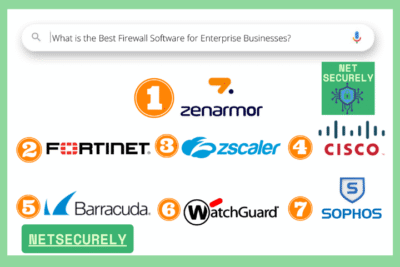
Best Enterprise Firewalls for Data Security

Content of this publication
- Top Enterprise Firewall Solutions for Robust Data Protection
- Best Enterprise Firewalls for Data Security: A Detailed Guide
- What constitutes the most effective enterprise firewall solution for comprehensive data security?
- How do enterprise-grade firewalls differ from standard firewalls in terms of data protection capabilities?
- Which firewall technologies meet the stringent data security requirements of organizations like the Department of Defense?
- More information of interest
- What are the key features to look for in an enterprise firewall for data security?
- How do next-generation firewalls (NGFWs) enhance data security compared to traditional firewalls?
- Which enterprise firewall vendors are considered leaders for data protection?
- How important is integration with other security tools for an enterprise firewall?
In today's digital landscape, safeguarding sensitive enterprise data is more critical than ever. As cyber threats grow in sophistication, organizations require robust security solutions to protect their networks from unauthorized access and data breaches. The selection of an appropriate firewall is fundamental to any comprehensive data protection strategy.

This article explores the top solutions available, evaluating key features such as advanced threat prevention, scalability, and centralized management. Our analysis aims to guide IT professionals in identifying the , ensuring resilient defense mechanisms tailored to modern business needs and regulatory requirements.

You may also be interested in reading: Hardware Firewalls for High-Speed Security
Top Enterprise Firewall Solutions for Robust Data Protection
When selecting the Best Enterprise Firewalls for Data Security, organizations must evaluate solutions that offer comprehensive threat prevention, advanced filtering capabilities, and centralized management. Modern enterprise firewalls combine traditional stateful inspection with next-generation features including intrusion prevention systems (IPS), deep packet inspection (DPI), and SSL/TLS decryption. These systems provide granular control over network traffic while protecting against sophisticated cyber threats targeting sensitive data.
Key Features of Next-Generation Firewalls
Next-generation firewalls (NGFWs) extend beyond port/protocol inspection to provide application-level visibility and control. Critical features include integrated intrusion prevention, user identity management, and threat intelligence feeds. These firewalls employ SSL inspection to detect hidden threats in encrypted traffic and offer automated policy recommendations based on traffic analysis. Advanced models incorporate sandboxing technology for detecting previously unknown malware.
Deployment Considerations for Large Networks
Enterprise firewall deployment requires careful planning regarding architecture (distributed vs. centralized), high availability configurations, and scalability. Organizations should consider throughput requirements, maximum connection capacities, and integration with existing security infrastructure. Hybrid deployment models supporting both on-premises and cloud environments are increasingly important for modern distributed enterprises.
Performance Metrics and Benchmarking
Evaluating firewall performance involves analyzing multiple metrics including maximum throughput (with and without security features enabled), connection establishment rate, and concurrent connection capacity. Enterprises should verify vendor claims through independent testing and consider performance degradation when enabling advanced security features like deep packet inspection or threat emulation.
Integration with Security Ecosystems
Modern enterprise firewalls must integrate seamlessly with other security components including security information and event management (SIEM) systems, endpoint protection platforms, and cloud security gateways. API support for automation and orchestration is essential for maintaining consistent security policies across hybrid environments and enabling rapid threat response.
Total Cost of Ownership Analysis
Beyond initial acquisition costs, organizations must consider ongoing expenses including licensing fees, maintenance contracts, staffing requirements, and training costs. The total cost of ownership varies significantly between hardware appliances, virtual editions, and cloud-native solutions, with each offering different operational and financial implications.
| Vendor | Product | Throughput | Key Features |
| Palo Alto Networks | PA-5200 Series | 10-20 Gbps | Threat Prevention, URL Filtering |
| Fortinet | FortiGate 6000F | 100+ Gbps | SD-WAN, Internal Segmentation |
| Cisco | Firepower 4100 | 40 Gbps | AMP, Talos Intelligence |
| Check Point | Quantum Maestro | 50-100 Gbps | SandBlast Zero-Day Protection |
Best Enterprise Firewalls for Data Security: A Detailed Guide
What constitutes the most effective enterprise firewall solution for comprehensive data security?
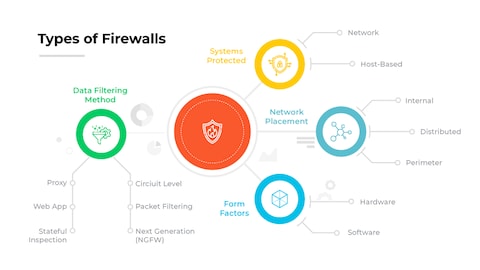
The most effective enterprise firewall solution for comprehensive data security integrates next-generation firewall (NGFW) capabilities with advanced threat protection, intrusion prevention systems (IPS), and deep packet inspection (DPI) to scrutinize traffic at the application layer, while incorporating centralized management for consistent policy enforcement across distributed networks; it must also support scalability to handle high volumes of data, offer real-time monitoring and logging, provide seamless integration with other security tools like SIEM and endpoint protection, and include automated response features to mitigate threats promptly, ensuring robust defense against both external and internal risks while maintaining compliance with industry regulations such as GDPR or HIPAA, ultimately positioning it among the Best Enterprise Firewalls for Data Security.
Core Features of Next-Generation Firewalls
Next-generation firewalls (NGFWs) form the foundation of modern enterprise security by incorporating deep packet inspection (DPI), application-aware filtering, and intrusion prevention systems (IPS) to analyze network traffic beyond traditional port and protocol rules; these features enable the identification and blocking of sophisticated threats, including malware and unauthorized application usage, while allowing for granular policy enforcement based on user identity, device type, and content, ensuring comprehensive protection against evolving cyber risks and making them indispensable in the landscape of Best Enterprise Firewalls for Data Security.
Integration with Security Ecosystems
An effective enterprise firewall must seamlessly integrate with broader security infrastructure, such as Security Information and Event Management (SIEM) systems, endpoint detection and response (EDR) tools, and cloud access security brokers (CASB), to provide a unified defense strategy; this interoperability enables correlated threat intelligence, automated incident response, and centralized visibility across hybrid environments, enhancing the organization's ability to detect and mitigate multi-vector attacks while streamlining compliance reporting and operational efficiency.
Scalability and Performance Considerations
Scalability is critical for enterprise firewalls to maintain performance under high traffic loads without compromising security; key factors include throughput capacity, low-latency processing, and modular architecture that supports expansion, whether through hardware appliances, virtual instances, or cloud-native deployments, ensuring consistent protection as network demands grow.
| Factor | Description | Impact |
|---|---|---|
| Throughput | Maximum data processing rate under threat inspection | Determines network speed and efficiency |
| Connection Limits | Number of simultaneous sessions supported | Affects ability to handle large user bases |
| Modular Design | Support for add-ons like SSL decryption | Enables future-proofing and adaptability |
How do enterprise-grade firewalls differ from standard firewalls in terms of data protection capabilities?
Enterprise-grade firewalls offer significantly enhanced data protection capabilities compared to standard firewalls through advanced features such as deep packet inspection (DPI), intrusion prevention systems (IPS), application-aware filtering, and sophisticated threat intelligence integration, which collectively provide granular control over network traffic, real-time threat detection and mitigation, and comprehensive logging and reporting for regulatory compliance, whereas standard firewalls typically offer only basic stateful inspection and lack the scalability, centralized management, and adaptive security measures required to protect complex organizational infrastructures against evolving cyber threats.
Advanced Threat Detection and Prevention
Enterprise-grade firewalls incorporate advanced threat detection mechanisms such as intrusion prevention systems (IPS), sandboxing, and behavioral analysis to identify and block sophisticated attacks like zero-day exploits and advanced persistent threats (APTs), whereas standard firewalls rely primarily on static rule sets and signature-based detection, making them less effective against emerging threats; these capabilities are critical for organizations selecting the Best Enterprise Firewalls for Data Security, as they ensure proactive defense rather than reactive measures.
Scalability and Performance Management
Enterprise firewalls are designed for high scalability and performance, supporting high-throughput traffic and multiple network segments without degradation, which is essential for large organizations with complex data flows; they often include load balancing and failover capabilities to maintain uninterrupted protection, unlike standard firewalls that are optimized for smaller networks and lack the hardware or software architecture to handle enterprise-level demands efficiently.
| Feature | Enterprise-Grade Firewall | Standard Firewall |
|---|---|---|
| Maximum Throughput | Up to 100 Gbps+ | Typically 1-5 Gbps |
| Concurrent Connections | Millions | Thousands to tens of thousands |
| High Availability | Active-active clustering | Basic or none |
Centralized Management and Compliance
Enterprise solutions provide centralized management consoles that allow administrators to enforce consistent security policies across distributed networks, coupled with detailed auditing and reporting tools essential for meeting regulatory requirements such as GDPR, HIPAA, or PCI DSS; standard firewalls usually offer limited, device-specific management interfaces and lack comprehensive compliance features, making them unsuitable for organizations with strict data protection obligations.
Which firewall technologies meet the stringent data security requirements of organizations like the Department of Defense?

To meet the stringent data security requirements of organizations like the Department of Defense, advanced firewall technologies such as next-generation firewalls (NGFWs), application-aware firewalls, and unified threat management (UTM) systems are essential, as they integrate deep packet inspection (DPI), intrusion prevention systems (IPS), and advanced threat intelligence to enforce granular access controls, monitor encrypted traffic, and defend against sophisticated cyber threats in real-time, while also ensuring compliance with frameworks like NIST and FISMA through robust logging, reporting, and segmentation capabilities tailored for high-security environments.
Next-Generation Firewalls (NGFWs)
Next-Generation Firewalls (NGFWs) are critical for organizations like the Department of Defense, as they combine traditional firewall functionalities with advanced features such as deep packet inspection (DPI), intrusion prevention systems (IPS), and application-level filtering to provide granular control over network traffic, detect and block sophisticated threats, and enforce security policies based on user identity and context, making them a foundational component of the Best Enterprise Firewalls for Data Security in high-stakes environments.
Application-Aware Firewalls
Application-Aware Firewalls are designed to identify and control traffic based on specific applications rather than just ports or protocols, using application signature databases and behavioral analysis to prevent unauthorized access, mitigate risks from vulnerable software, and ensure that only approved applications communicate within the network, which is vital for maintaining the integrity and confidentiality of sensitive data in defense sectors where application-level threats are prevalent.
Unified Threat Management (UTM) Systems
Unified Threat Management (UTM) Systems integrate multiple security functions—such as firewalling, antivirus, anti-spam, and VPN capabilities—into a single platform, offering streamlined management and comprehensive protection against a wide range of cyber threats, which is advantageous for defense organizations seeking efficiency and consolidated security oversight without compromising on the rigorous demands of data safeguarding protocols.
| Feature | Benefit for Data Security |
|---|---|
| Integrated IPS/IDS | Real-time threat detection and prevention |
| Centralized Management | Simplified policy enforcement and monitoring |
| VPN Support | Secure remote access and encrypted communications |
More information of interest
What are the key features to look for in an enterprise firewall for data security?
When selecting an enterprise firewall, prioritize features such as deep packet inspection, intrusion prevention systems (IPS), application control, and advanced threat protection. These capabilities help detect and block sophisticated threats, enforce security policies, and safeguard sensitive data from unauthorized access or exfiltration.
How do next-generation firewalls (NGFWs) enhance data security compared to traditional firewalls?
Next-generation firewalls enhance data security by integrating application awareness, user identity tracking, and threat intelligence beyond basic port/protocol filtering. They provide granular control over data flows, detect advanced malware, and prevent data breaches through contextual analysis and real-time monitoring.
Which enterprise firewall vendors are considered leaders for data protection?
Leading vendors for enterprise data security include Palo Alto Networks, Fortinet, Cisco, and Check Point. These providers offer robust security features, scalability, and integration with broader cybersecurity ecosystems to defend against evolving threats and ensure regulatory compliance.
How important is integration with other security tools for an enterprise firewall?
Integration is critical for a cohesive security posture, enabling centralized management, automated responses, and shared threat intelligence across systems. Firewalls that integrate with SIEM, endpoint protection, and cloud security platforms provide comprehensive visibility and faster mitigation of data-related risks.
Top Enterprise Firewalls for Cybersecurity USA

Secure Enterprise Firewalls for Large Networks

Top Enterprise Firewalls with SIEM in 2025

Enterprise Firewalls for Scalable Protection
Top Enterprise Firewalls for Secure Networks USA
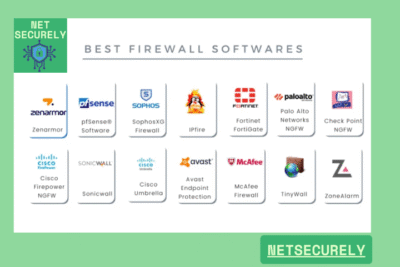
Best Enterprise Firewalls for Business in 2025
Subir
Deja una respuesta