
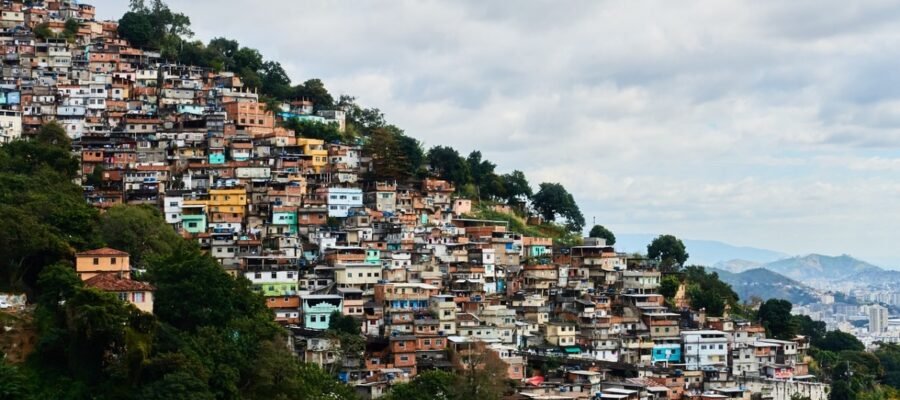
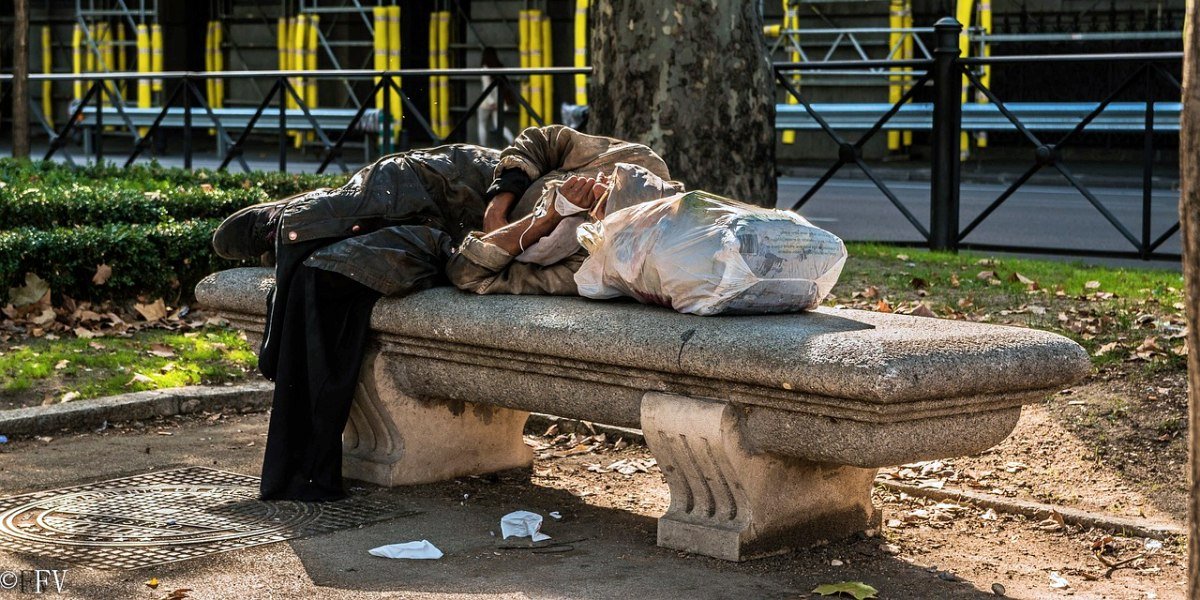
Home, home, refuge: for many these concepts represent the space that guarantees safety and comfort. But what about those who have no place to take refuge, what about those? The truth is this the right to housing should be universalbut the reality of the streets shows us a different story.
In this sense, the concept of “right to the city”, created by Henri Lefebvreconstitutes a milestone in the reflection on urbanization and social inclusion, an issue that goes beyond the limits of time. In a world where urban inequality manifests itself in various ways, from lack of housing to the exclusion of marginalized populations, discussing how architects and urban planners can promote a more inclusive city It is one of the main ways to repair the problem.
Next, we find out a little about Lefebvre’s idea of the right to the city, how it relates to the right to housing and, above all, how it applies to the current context, as well as the measures taken to address existing challenges.
After all, what is the right to the city?
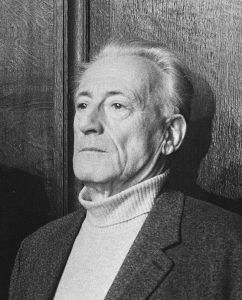 Henri Lefebvre, a French philosopher and sociologist, introduced the concept of the right to the city in 1968, in the context of rampant urbanization which, he believed, alienated people from their urban spaces. For Lefebvre, the right to the city goes beyond simple access to urban spaces; involves the active participation of citizens in the construction and transformation of cities. This includes the right of all individuals to enjoy the benefits offered by cities and to participate in the management of urban resources.
In this way, the right to the city is a collective demand for everyone, regardless of social class, ethnicity or gender, to have a voice in creating a city that meets the needs of all its inhabitants. This is because, according to the author, the city should be a meeting space, where diversity is celebrated and exclusion is fought.
The right to housing as a form of belonging to the city
It is not possible to talk about the right to the city without mentioning the right to housing. Enshrined in Article 25 of the Universal Declaration of Human Rights and Article 11 of the International Covenant on Economic, Social and Cultural Rights, it is stated that everyone has the right to housing, health and well-being, and States must guarantee this right.
In Brazil, this right is guaranteed by the Federal Constitution of 1988 (article 6) and is strengthened by the City Statute (Law nº 10,257/2001), which aims to promote the social function of property and guarantee access to decent housing.
It’s worth remembering living doesn’t just mean having a roofbut rather must include security of tenure, availability of services, materials, infrastructure, accessibility, location and cultural suitability. This broader concept of dwelling is essential to the create more inclusive cities and that they promote the well-being of all citizens, as Lefebvre claims.
Brazilian context: challenges and social exclusion
Although the right to the city is formally recognized by several treaties around the world, it is still far from being a reality for millions of people around the world, including Brazil.
To give you an idea, more than 300 thousand Brazilians live on the streets (UFMG, 2024) e more than 16 million people (8% of the population) live in favelas and urban communities (IBGE, 2023). Meanwhile, the country has a housing deficit of 6 million homesaccording to information from the João Pinheiro Foundation (2024). In other words, if supply and demand exist, why is it so difficult to create a solution?
Some factors contribute to this aggravation, such as real estate speculationthat is, the practice of purchasing a property or land with the intention of selling it later at a higher price. This practice, in addition to making homes inaccessible for a large part of the population, can lead to gentrificationwhere low-income residents are displaced from their communities due to over-appreciation of areas, or the stagnation of the regionsas land or properties are held vacant for long periods awaiting future appreciation, delaying the development of cities.
Another aspect is the exclusion of historically marginalized populationssuch as the LGBTQIAP+ community, black people, the homeless and drug addicts. These groups often face exclusion in urban spaces and are targeted by it policies that aim to “clean” public areas with repression instead of creating inclusion and assistance policies.
One of the best known forms of repression of drug addicts and the homeless, for example, is the use of hostile architecturewhich includes everything from benches that prevent people from lying down, to bars and walls that isolate communities. In other words, instead of creating solutions for the lack of access to housing, hostile architecture marginalizes even more people who need social support.
Discover combat measures around the world
Various measures have been implemented around the world to address these challenges. In some European cities, for example, rent control and housing market regulation policies are adopted to ensure that housing remains affordable for low-income populations.
The program in Barcelona “Superblocks” aims to transform urban areas into more livable spaces by limiting vehicular traffic and creating more green areas and public spaces. In Amsterdam, the project “Home first and foremost” provides stable housing for homeless people, before addressing other problems such as addiction. Vienna, Austria, on the other hand, has succeeded in creating an urban environment in which robust and affordable public housing is considered a fundamental right, not a commodity.
And in Brazil, what is happening?
National policies for the right to the city in Brazil have evolved over the years, seeking to ensure social inclusion and ensure that fundamental rights are respected and promoted.
OR City Statute (Law no. 10.257/2001)since 2001, it is one of the most important legal frameworks for the right to the city in Brazil, as it establishes guidelines for sustainable urban development and the use of urban property for the collective good. In 2009, or National Housing Plan (PlanHab) was launched with the aim of establish the integration of housing policies with hygiene, urban mobility and social development, with the aim of guaranteeing the right to housing and promoting social inclusion. Finally, the National Urban Development Policy (PNDU) aims to promote sustainable urban development, ensuring that the growth of cities is orderly and inclusive.
How can architects and urban planners contribute to this scenario?
Architects and urban planners can play a very important role in promoting more inclusive cities.
When designing urban spaces, these professionals must consider diversity and the need for social integration. They can also act in the transformation of existing spaces, creating them more accessible and welcoming for marginalized populations. Remember that you also have the power to transform our cities in spaces of coexistence, diversity and respect, where everyone has the right to belong.

About Casoca