
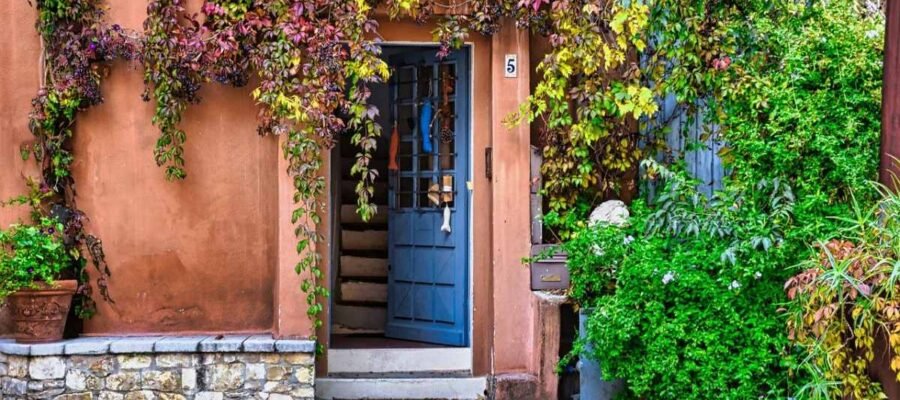
The typical Brazilian middle-class home of the 2000s brought with it an interesting fusion of trends, reflecting both the economic and cultural transformations of the era. The 2000s mark a phase of increase in mass consumptioninfluenced by greater access to credit, the expansion of the real estate market and the construction boom. This allowed middle class families to invest customization and renovation of your homesreflecting the desire for comfort, modernity and, at the same time, to preserve traditions.
Next, you will understand how the rise of the middle class occurred and how aspects of «grandmother’s house»which lasted until the 2000s, remain strong and resilient to this day.
The rise of the middle class and the dream of owning a home
In the economic context, Brazil recorded growth especially between 2003 and 2011, when the middle class has increased by more than 40 million peopleaccording to research by the Fundação Getúlio Vargas (FGV). This increase in income increased purchasing power, allowing the middle class to have access to consumer goods previously limited to the upper classes.
This scenario was fundamental to the construction boom. The new social status was reflected in various choices that had an impact how the Brazilian middle class manages their home. Therefore, the house has become a symbol of success and stability, with many Brazilians investing in renovations and improvements, especially after the expansion of real estate credit.
Self-construction and popular architecture
Another relevant aspect in the composition of the residences of the Brazilian middle class in the 2000s was the influence of popular architecture and assisted self-construction.
In many urban areas, especially in the suburbs and smaller cities, the construction of houses followed the principle of self-constructionwhere the residents themselves, with or without the help of professionals, have built and renovated their homes. This movement was a response to the need for affordable housingas well as being an opportunity to adapt buildings to local lifestyle and climate conditions.
Self-construction, especially in communities, the use of simple and accessible materials is encouragedas well as construction techniques that favored functionality and economy. The typical Brazilian bourgeois house, although often entailed a modern aesthetic, also carried elements of this popular construction, such as the simplicity of materials and use of spaces.
The “grandma’s house” style is on the rise
One of the surprising phenomena of decoration in this period was the revival of the «grandmother’s house» style.which brings to mind a welcoming and nostalgic environment, full of fond memories. This style stands out for its own use of antique furniture, soft colors, inherited objects and an aesthetic that mixes the past with the present. It becomes a reference not only for older generations, but also for young people, who are looking for a connection with their family roots.
Furniture such as display cases, rocking chairs and shelves with porcelain and glass objects were in demand. Additionally, elements such as lace curtains, crochet pillows, and potted plants were common in an effort to create a more intimate and comfortable environment.

Typical elements of Brazilian public housing
Middle-class homes in the 2000s carried many of them features that dated back to Brazilian popular constructionsespecially those characterized by the «grandmother’s house» style. These houses are often described as places of comfort and memory.
One of the distinctive features of these houses is the presence of inherited objects and furniture or of sentimental valuelike antique china cabinets, shelves full of knick-knacks and china plates, and rocking chairs on the porch. These elements are strongly associated with Brazilian family culture and relate to the idea of a home always ready for receive. The combination of simple but significant elements, with the functionality necessary for the routine of the middle class, was one of the main influences on the residences of the 2000s.
Another important aspect were the common areas, such as the Kitchenwhich was usually the heart of the house. The use of colorful tiles, many inherited from previous styles, and appliances that mixed old and new, helped create this unique environment. Kitchens often maintained a retro look, but incorporated the technological innovations of the time, such as new models of refrigerators and stoves.
Furthermore, the courtyard or outdoor space, present in many public houses, was a enhanced space in the 2000s. With growing urbanization, courtyards began to be used as living and leisure spaces, equipped with barbecues and simple furniture that reflected the typical functionality of public housing. Plants, vegetable gardens and fruit treesvery common in grandmothers’ homes, it continued to appear, connecting urban families to nature, even in the smallest, most urbanized areas.
Colors, furnishings and technology
The 2000s also saw a explosion in the use of bright and contrasting colors on the wallsoften combined with textures or wallpapers that gave personality to the rooms. Earth tones, such as beige and brown, dominated the interior spaces, reflecting a search for comfort and warmth.
Furniture of that time was often a mix of new and old. Middle-class families often incorporated modern furniture, such as linear sofas and glass tables, along with pieces inherited from previous generations, creating an interesting contrast between the old and the contemporary. Furthermore, there was a dissemination of custom-made furniturewhich aimed to optimize small spaces in homes, especially in apartments.
Another surprising aspect of this decade was the beginning of the introduction of technologies into homessuch as the increase in the number of household appliances and the advent of flat-screen televisions. This entailed a reorganization of the spaces, especially the living rooms, which began to be designed to accommodate home theater and other electronic equipment.
From the 2000s to today: what has changed?
The home of the Brazilian middle class in the 2000s was a space of experimentation, where the new and tradition coexisted in harmony. Between the “grandma’s house” style, the influences of self-building and the technological innovations, the decade brought with it a mosaic of trends that reflected Brazil’s economic and cultural changes. The desire for warmth and personalization prevailed, showing how the home continues to be a central space for the expression of identity and family belonging.
These trends, in a certain sense, still echo in contemporary architecture and decoration, with the return of vintage styles and the recovery of fond memories in the decorative choices of many Brazilian families. Therefore, the middle-class house of the 2000s remains a milestone in the evolution of housing in Brazil, connecting tradition, modernity and the aspirations of a changing society.

About Casoca