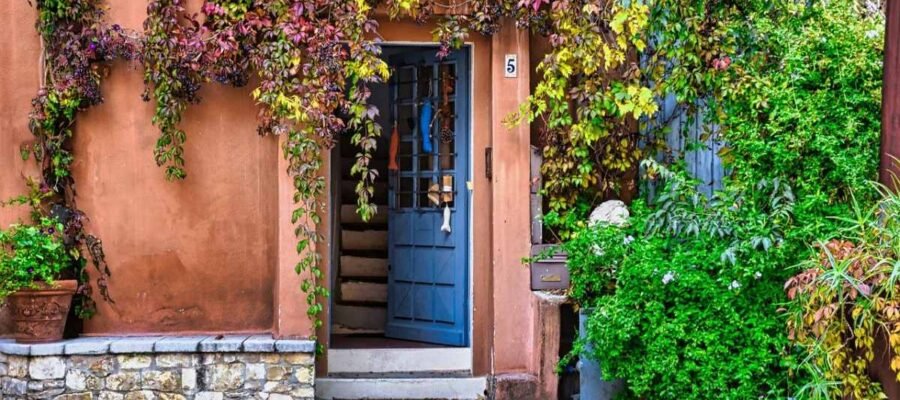
Typical Brazilian middle-class homes of the 2000s subtly blended various trends, reflecting the economic and cultural changes of the time. The 2000s were characterized by increased mass consumption, fueled by widespread credit, an expanding real estate market, and a booming construction industry. This enabled middle-class families to invest in personalized design and renovations, expressing their pursuit of comfort and modern living without abandoning tradition.
The following section will explore the rise of the middle class and why some features of the «grandmother’s house,» prevalent before the 2000s, still persist today.
The rise of the middle class and the dream of owning a home
In the economic context, Brazil recorded growth especially between 2003 and 2011, when the middle class has increased by more than 40 million peopleaccording to research by the Fundação Getúlio Vargas (FGV). This increase in income increased purchasing power, allowing the middle class to have access to consumer goods previously limited to the upper classes.
This scenario was fundamental to the construction boom. The new social status was reflected in various choices that had an impact how the Brazilian middle class manages their home. Therefore, the house has become a symbol of success and stability, with many Brazilians investing in renovations and improvements, especially after the expansion of real estate credit.
Self-construction and popular architecture
Another significant factor shaping the housing structure of Brazil’s middle class in the 2000s was the influence of local architectural styles and the support for self-built projects.
In many urban areas, especially in suburbs and small towns, housing construction followed the self-built principle. Residents built and renovated their homes themselves, whether or not they sought professional assistance. This trend both met the demand for affordable housing and provided an opportunity for buildings to adapt to local lifestyles and climatic conditions.
Self-built projects, particularly in shared housing communities, promoted the use of simple, readily available materials and practical, economical construction methods. Typical Brazilian townhouses, while modern in design, also incorporated elements of local architectural styles, such as the simplicity of materials and room layouts.
The “grandma’s house” style is on the rise
One of the surprising phenomena of decoration in this period was the revival of the «grandmother’s house» style.which brings to mind a welcoming and nostalgic environment, full of fond memories. This style stands out for its own use of antique furniture, soft colors, inherited objects and an aesthetic that mixes the past with the present. It becomes a reference not only for older generations, but also for young people, who are looking for a connection with their family roots.
Furniture such as display cases, rocking chairs and shelves with porcelain and glass objects were in demand. Additionally, elements such as lace curtains, crochet pillows, and potted plants were common in an effort to create a more intimate and comfortable environment.

Typical elements of Brazilian public housing
Middle-class homes of the 2000s showcased many features derived from traditional Brazilian architecture, particularly those inspired by the «grandmother’s house» style. These homes were often described as comfortable, warm, and filled with memories.
A striking characteristic of these homes was the inclusion of heirloom items and furniture, or objects of sentimental value, such as antique china cabinets, shelves overflowing with trinkets and plates, and rocking chairs on the porch. These elements, closely linked to Brazilian family culture, embodied the warm concept of «home.» The combination of simple yet meaningful elements with functionality necessary for middle-class daily life had a significant impact on residential design in the 2000s.
Another important aspect is the communal spaces, such as the kitchen, which is often the heart of the home. Colorful tiles (many of which are inherited from earlier styles) and a blend of old and new appliances create a unique atmosphere. Kitchens often retain a retro charm while incorporating contemporary technological innovations, such as new refrigerators and stoves.
Furthermore, many affordable housing courtyards or outdoor areas were revitalized in the 2000s. With accelerating urbanization, courtyards were used as living and leisure spaces, equipped with barbecue grills and minimalist furniture, embodying the typical function of affordable housing. Plants, vegetable gardens, and fruit trees commonly found in grandmother homes also appeared in courtyards, allowing urban families to connect with nature even in the most densely populated and smallest areas.
Colors, furnishings and technology
The 2000s also saw a explosion in the use of bright and contrasting colors on the wallsoften combined with textures or wallpapers that gave personality to the rooms. Earth tones, such as beige and brown, dominated the interior spaces, reflecting a search for comfort and warmth.
Furniture of that time was often a mix of new and old. Middle-class families often incorporated modern furniture, such as linear sofas and glass tables, along with pieces inherited from previous generations, creating an interesting contrast between the old and the contemporary. Furthermore, there was a dissemination of custom-made furniturewhich aimed to optimize small spaces in homes, especially in apartments.
Another surprising aspect of this decade was the beginning of the introduction of technologies into homessuch as the increase in the number of household appliances and the advent of flat-screen televisions. This entailed a reorganization of the spaces, especially the living rooms, which began to be designed to accommodate home theater and other electronic equipment.
From the 2000s to today: what has changed?
The home of the Brazilian middle class in the 2000s was a space of experimentation, where the new and tradition coexisted in harmony. Between the “grandma’s house” style, the influences of self-building and the technological innovations, the decade brought with it a mosaic of trends that reflected Brazil’s economic and cultural changes. The desire for warmth and personalization prevailed, showing how the home continues to be a central space for the expression of identity and family belonging.
These trends, in a certain sense, still echo in contemporary architecture and decoration, with the return of vintage styles and the recovery of fond memories in the decorative choices of many Brazilian families. Therefore, the middle-class house of the 2000s remains a milestone in the evolution of housing in Brazil, connecting tradition, modernity and the aspirations of a changing society.
latest post
Furnishing a villa in Mogoșoaia for a family with three children
Stoneware and Terracotta in Neutral Shades

The Loft – an unconventional space created by Beelive

How did you discover your inclination towards the field of interior design?

Complex offer for beneficiaries

Kitchen tile and tile combinations

Choose the perfect idea to furnish your bathroom

How to correctly mount a decorative plinth

How to choose a background in the Room function