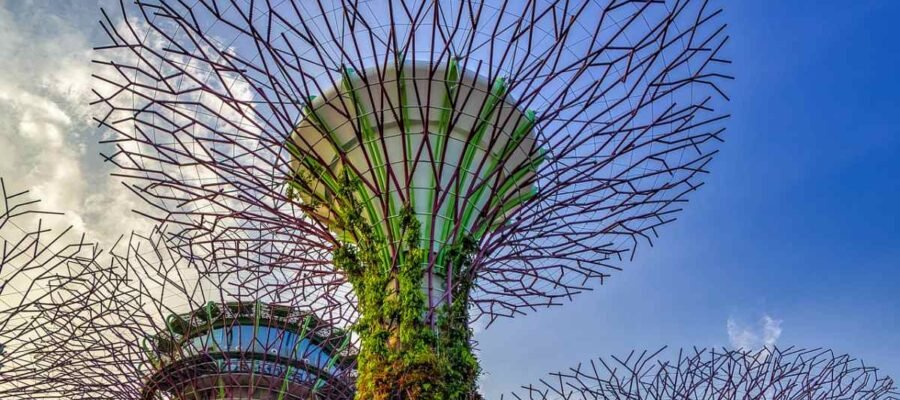
Architecture has always reflected societal aspirations, and in today’s world, the search for sustainable solutions is more urgent than ever.
To address climate change and the depletion of natural resources, solar punk emerged—a movement that blends technology, ecology, and futuristic design to create harmonious and sustainable urban spaces.
Solar punk is more than just an aesthetic concept; it proposes a new way of urbanization and lifestyle where nature and technology coexist harmoniously.
Solar punk is a cultural and aesthetic movement that envisions a future where humanity embraces technological progress while living in harmony with the environment.
Unlike other sustainable development approaches that focus more on mitigating negative impacts, solar punk aims to transform cities into renewable spaces, integrating urbanization with nature to form a balanced ecosystem.
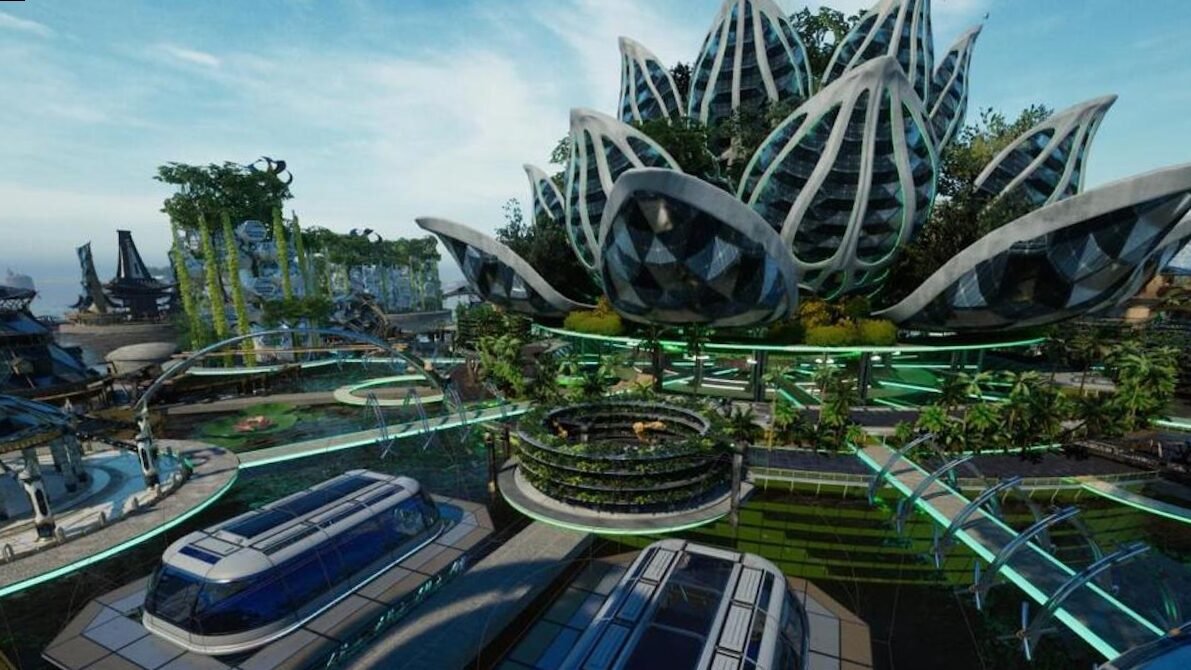
In architecture, this concept is reflected in spatial design, such as utilizing solar energy, incorporating vegetation, and using sustainable materials.
Solar punk cities aim to foster more interconnected and resilient communities, making technological innovation a powerful tool for protecting the environment and maintaining quality of life. Solar punk architecture blends traditional elements of sustainable architecture with futuristic high-tech concepts. Key features of these buildings include:
Utilization of Renewable Energy
The transition to clean energy is a cornerstone of solar punk architecture. Buildings designed according to this philosophy extensively utilize solar panels, urban wind turbines, and geothermal energy.
The goal is to make each building energy self-sufficient, reducing reliance on the public power grid and minimizing its carbon footprint.
Integration with Nature
Green roofs, vertical gardens, and eco-facades are common elements in solar punk architecture. They help improve air quality and lower urban temperatures, thus protecting residents’ health.
Green building also plays a crucial role. Organic and nature-inspired forms create fluid and inviting spaces.
Sustainable Materials
The choice of materials is paramount in solar punk architecture. Using recyclable materials, such as bioplastics, certified timber, and eco-concrete, reduces the building’s environmental impact.
Another important aspect is that solar punk projects prioritize the reuse of existing buildings to avoid waste and promote a circular economy.
Bio-friendly Design
Bio-friendly design refers to the direct interaction between natural elements and architectural space. Solarpunk architecture enhances this connection by maximizing natural light, optimizing cross-ventilation, and integrating outdoor living spaces.
The result is a healthier, more efficient environment that fosters a closer connection between people and nature.
Milan’s Vertical Forest.
Around the world, a growing number of projects are incorporating solarpunk principles, whether through innovative architecture or more sustainable urban planning.
For example, Milan’s Vertical Forest (Bosco Verticale) is a cluster of residential towers covered in native vegetation, helping to reduce urban air pollution. Another example is Masdar City in the United Arab Emirates, a city designed entirely on a sustainable basis and powered by renewable energy.
Ecovillage projects around the world also follow solarpunk principles, aiming to create sustainable, interconnected communities.
The solarpunk movement is a concrete program aimed at transforming architecture and urban planning into more sustainable models. While the solutions are promising, many challenges remain for widespread adoption.
A major obstacle is the often high initial cost of sustainable technologies. However, as new technologies emerge and production costs decrease, these solutions are expected to become more affordable.
Another challenge is the resistance from urban policies and regulations that still favor traditional building methods. At the same time, growing environmental awareness and interest in more sustainable lifestyles are driving the adoption of technology.
Tax incentives for green buildings and investment in research into innovative materials can also accelerate this shift.
About Casoca
Casoca is the official regulatory platform for the Brazilian architecture and design market, boasting over 300,000 registered architects and designers! Here, you can access over 20 digital resource libraries for free… Featuring 000 products from major brands in the Brazilian market. You can also request quotes and contact suppliers directly.
Conclusion
Architecture has always evolved alongside society, reflecting the values, concerns, and aspirations of each era. In the present day, one of the most pressing challenges influencing architectural thinking is the need for sustainability. As climate change intensifies and natural resources become increasingly limited, architects and urban planners are seeking innovative ways to design spaces that respect the environment while supporting modern lifestyles. Within this context, the concept of solar punk has emerged as a creative and optimistic vision for the future of architecture and urban living.
Solar punk represents more than just a design trend; it is a cultural and architectural movement that combines ecological awareness with technological innovation. Instead of focusing on dystopian visions of the future, solar punk imagines cities where sustainability, renewable energy, and natural ecosystems coexist harmoniously with human activity. It proposes a future where solar panels, green roofs, vertical gardens, and energy-efficient buildings become natural elements of the urban landscape.
One of the most distinctive aspects of solar punk architecture is its emphasis on integrating nature into the built environment. Buildings are not designed to dominate their surroundings but rather to coexist with them. This can be seen through the use of green spaces, urban gardens, and natural ventilation systems that reduce the need for artificial energy consumption. By prioritizing these elements, solar punk architecture aims to create cities that are healthier, more resilient, and more pleasant for the people who inhabit them.
Technology also plays a crucial role in this movement. Solar punk envisions cities powered largely by renewable energy sources, particularly solar energy, while incorporating smart technologies that optimize energy use and resource management. These innovations allow buildings to become more efficient and environmentally responsible without sacrificing comfort or functionality.
Another important aspect of solar punk is its optimistic perspective. Rather than portraying environmental challenges as insurmountable problems, the movement focuses on solutions and creative possibilities. It encourages architects, designers, and communities to imagine and build a future where sustainability and innovation work together to improve quality of life.
Ultimately, solar punk reflects a hopeful vision for architecture and urban development. By blending ecological principles, technological advancement, and imaginative design, it offers a pathway toward cities that are both sustainable and inspiring. As environmental awareness continues to grow, the ideas behind solar punk may play an increasingly important role in shaping the future of architecture and the way we live within our urban environments.
latest post

Furnishing a villa in Mogoșoaia for a family with three children
Stoneware and Terracotta in Neutral Shades
The Loft – an unconventional space created by Beelive

How did you discover your inclination towards the field of interior design?

Complex offer for beneficiaries

Kitchen tile and tile combinations

Choose the perfect idea to furnish your bathroom

How to correctly mount a decorative plinth

How to choose a background in the Room function