
After numerous cancellations, some events have transformed, giving rise to the first virtual exhibitions. Like almost every industry, architecture and design exhibitions had to struggle to find ways to make their plans a reality in 2020. At the outset of the COVID-19 pandemic, many events were forced to postpone, but as the pandemic continued to spread, alternatives had to be sought.
The online world offers limitless possibilities and can reach nationally and even globally. Against this backdrop, renowned architects embraced the challenge and created virtual exhibitions. These special editions document the unique circumstances we are currently experiencing.
Learn about the adjustments made to each exhibition this year:
Modernos Eternos
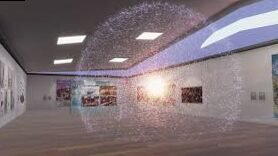
Modernos Eternos was presented entirely online in 2020. The online platform continued to be divided into two sections: São Paulo and Belo Horizonte. The exhibition maintained its consistent principle of showcasing art and culture in an environment that blends ancient and modern objects. The São Paulo exhibition opened at the end of September and can be accessed via the website:
You can explore the exhibition halls with a 360° panoramic tour or by browsing project images.
The Modernos Eternos BH exhibition opened in early November, showcasing 39 spaces designed by 59 professionals. A Brutalist-style house designed in 1977 by Minas Gerais architect William Ramos Abdalla serves as a reference. It was also announced that this house will be the venue for the 2021 exhibition, hoping to mark the return of in-person events. Explore these spaces and products:
We’ve partnered with Casoca to offer 3D downloads of architect-specified products on our platform. Click here to learn more!
Experience More
In compliance with the health guidelines of the World Health Organization and the city of Rio de Janeiro, this exhibition is the first major in-person event in the fields of decoration, architecture, and design. Opening in November, Morar Mais Rio will have limited attendance. Visitor numbers within the exhibition area will be monitored, and the organizers are committed to full adherence to social distancing and health and safety regulations.
Cover
CASACOR has taken a completely new approach, merging the physical and virtual worlds. As part of its «CASACOR Window» project, they have placed exhibition spaces within display cases installed inside shipping containers. This allows visitors to intuitively understand the physical environment without entering the exhibition hall. Furthermore, visitors can explore the interior spaces in more detail through virtual tours.
This special exhibition is being held in 11 cities across the country. You can view the exhibition schedule here:
Children’s World Exhibitions
Some children’s exhibitions, such as «House of Toca,» have announced that they will be held entirely online this year. We are awaiting official announcements to provide you with more information here!
The «Monkey Baby Studio» exhibition is one of the first exhibitions to be held online this year.
Online and Offline Exhibitions
Have you already visited these online exhibitions? Would you like to attend some of these events in person? Many changes have occurred this year, and we are gradually adapting and finding the best way to continue holding events. Indeed, the world is very different now, and we need the support of technology.
Therefore, CASOCA’s mission is to make product specifications information readily available. We hope to help you complete projects more efficiently and effectively.
Trust us!
Casoca is the official product specifications platform for the Brazilian architecture and design market, with over 300,000 registered architects and designers! Here, you can access over 20,000 product listings from well-known Brazilian brands for free. You can also contact suppliers directly for quotes.
Conclusion
The challenges brought by the COVID-19 pandemic forced many industries to rethink the way they operate, and the world of architecture and design exhibitions was no exception. Events that traditionally relied on physical spaces, large gatherings, and in-person experiences suddenly faced unprecedented restrictions. As cancellations and postponements became unavoidable, organizers and professionals were pushed to explore new possibilities that would allow these important events to continue in a different format.
Virtual exhibitions quickly emerged as an innovative solution. By moving events into the digital environment, architects, designers, and institutions were able to maintain connections with audiences despite physical limitations. Although the transition required significant adjustments, it also opened new opportunities that had previously been difficult to achieve through traditional exhibitions alone. Online platforms allowed events to reach a broader and more diverse audience, breaking geographical barriers and making exhibitions accessible to people around the world.
One of the most significant advantages of virtual exhibitions is their accessibility. While physical events are often limited by travel costs, venue capacity, and scheduling conflicts, digital exhibitions allow participants to explore content from anywhere with an internet connection. This expanded reach not only benefits visitors but also provides designers and architects with greater visibility for their work. Projects, installations, and ideas can now be shared with a global audience in ways that were once unimaginable.
In addition to accessibility, the digital format has encouraged experimentation and creativity. Virtual exhibitions can incorporate multimedia presentations, interactive elements, and immersive experiences that enhance how audiences engage with architectural concepts and design ideas. These digital tools allow creators to present their work in new and dynamic ways, offering deeper insights into the design process and the stories behind each project.
Despite the benefits of digital exhibitions, the shift also highlights the value of physical experiences. Architecture and design are disciplines that often rely on spatial perception, material textures, and human interaction—elements that can be difficult to fully replicate online. However, the success of virtual events during this challenging period suggests that hybrid models combining both digital and physical experiences may become increasingly common in the future.
Ultimately, the transformation of architecture and design exhibitions during the pandemic demonstrates the resilience and adaptability of the creative community. By embracing digital innovation, the industry was able to continue sharing ideas, inspiring audiences, and documenting a unique moment in history. These virtual exhibitions stand not only as a response to extraordinary circumstances but also as a glimpse into how cultural events may evolve in an increasingly connected world.
latest post
Buying guide to create modern and welcoming interiors
Chair and Table: Buying Guide

Special Christmas Offers 2025 on Furniture –

Christmas promotions: designer furnishings and trends

Prepare your interior
Minimalist and natural elegance

Offers of furniture and accessories to be seized immediately
Velvet fabric furniture: Elegance and Comfort
Chester armchair Elegant design Timeless comfort for the home