

In this article we will take a journey through time and space exploring architectural styles and their history. We will describe each style in detail, exemplifying the definitive elements we can consider when starting our design project.
By knowing the history we will surely be able to identify our direction and get an idea of our preferences and how we see them integrated into our homes.
Architectural styles are more than just buildings: they are chronicles of the time and expressions of our culture. At Delta Studio we pride ourselves on the ability to bring these different styles to life and adapt them to the needs and aspirations of our clients. Each project is a journey into the world of architecture, where tradition is intertwined with innovation and every detail tells a story. We invite you to be part of this journey and discover the beauty and diversity of architecture with us.
-
Modern
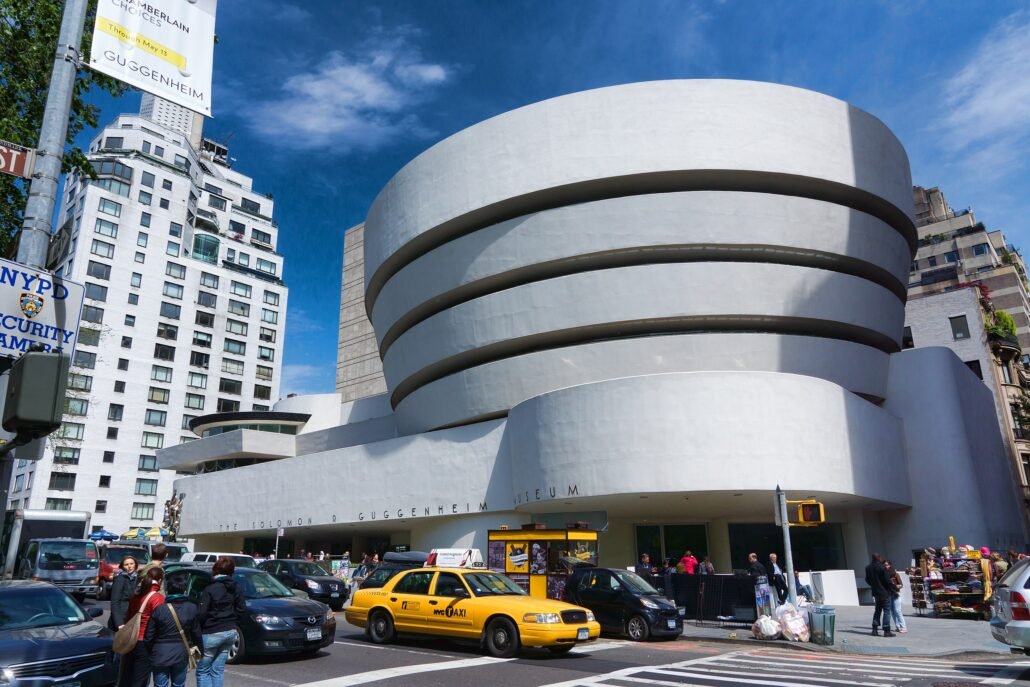
The modern architectural style gained momentum in the interwar period and expanded strongly in the 20th century, being influenced by the artistic and social movements of the time. Characterized by simplicity, clean lines, and functionality, this style sought to abandon excessive ornamentation and focus on the form and function of buildings. One of the most famous examples of this style is the Solomon R. Guggenheim Building in New York, designed by architect Frank Lloyd Wright in the 1950s. This iconic building, with its spiral shape and innovative use of reinforced concrete, glass and steel, is a perfect example of modernism in architecture. In interior architecture, modernism is reflected in the use of new materials such as reinforced concrete, glass and steel and their integration into bright and airy spaces. Furniture is often minimalist, with simple geometric shapes and smooth finishes. Predominant colors are neutral, with an emphasis on white and gray tones, and lighting is used strategically to highlight architectural lines and open spaces.
The popularity of the modern style has grown exponentially, being recognized and appreciated for its innovative approach and ability to respond to the changing needs of society.
Neoclassicism, inspired by classical Greek and Roman architecture, became popular in Europe and America in the 18th century and has continued to influence architectural style to the present day.
This style is characterized by the use of columns, triangular gables and symmetry, which gives a sense of nobility and elegance. An iconic example of this style is the White House in Washington DC, built in the late 18th century and renovated in the 20th century, which combines elements of neoclassical architecture with modern influences.
In interior architecture, luxurious finishes such as marble, stucco and fine woods are often used to create a refined and regal appearance. The furniture is inspired by the classical era, with elegant shapes and carved details. The color palette is dominated by neutral tones, with gold or silver accents to add sparkle.
Neoclassicism was popular at the turn of the century. XIX, being appreciated for its timeless elegance and its ability to give a noble and regal appearance to monumental and institutional buildings. Currently there is a rejuvenation of this style, as a response to minimalism.
The Impact of Architectural Features on Furniture Choice
The Classical style in architecture is based on the aesthetic principles of Greco-Roman antiquity and the European Renaissance and has enjoyed consistent popularity over the centuries. Combine balanced proportions, symmetry and elaborate ornamental details to create a timeless and sophisticated look. One of the best-known examples of the classical style is Buckingham Palace in London, built in the 18th century and improved and enlarged in the 19th century, a symbol of elegance and royal prestige.
In interior architecture, classicism is expressed through the use of colonnades, triangular pediments, porticoes and rich decorations. The furnishings are elegant and comfortable, with shapes inspired by historical eras and refined finishes. The color palette is warm and rich with shades of gold, brown and burgundy, and the fabrics are lush and elaborately patterned.
Classicism was and remains one of the most popular and recognized architectural styles, being associated with elegance and refinement and used to give a solemn and grandiose appearance to monumental and residential buildings.
Contemporary style in architecture and interior design refers to current trends and innovative approaches in designing interior and exterior spaces. It is characterized by simplicity, cleanliness and adaptability to individual needs and tastes. An emblematic example of this style is the Burj Khalifa in Dubai, completed in 2010, which is the tallest building in the world and a symbol of modernity and technological progress.
In interior architecture, the contemporary is expressed through the use of modern materials such as glass, steel and concrete and the integration of advanced technologies. A representative example of this is the Apple Park building in Cupertino, California, completed in 2017, which is an example of harmonious integration between contemporary design, cutting-edge technology and sustainability. The furniture is comfortable and functional, with simple geometric shapes and minimalist finishes. Colors are often neutral, but bright accents can be added to create contrast and visual interest. Lighting is essential in this style, used to highlight spaces and create different atmospheres as needed.
The contemporary style became increasingly popular at the end of the 1990s, becoming appreciated for its adaptability to social and technological changes and for its progressive and innovative approach to the design of internal and external spaces.
5.Industrial
Industrial style in architecture and interior design has gained popularity since the 1970s with the conversion of abandoned industrial spaces into lofts and living spaces. A notable example of this style is the Chocolate Factory Loft in New York, which was once a chocolate factory and has been converted into a residential and commercial complex, retaining elements of the original industrial architecture.
Characterized by structural exposure, the use of raw materials and raw finishes, this style brings an urban and eclectic air to any space.
In interior architecture, exposed brick, oxidized metal and untreated wood are often used to create an authentic industrial look. The furniture is sturdy and functional, with simple shapes and metallic accents. The color palette is dominated by gray, black and brown tones and lighting is often suspended or exposed to highlight the industrial character of the space. The industrial style has been and continues to be popular, valued for its authenticity and ability to transform industrial spaces into modern, eclectic homes and commercial spaces.
Industrial living – Delta Studio Architettura
Eclectic style in architecture and interior design embraces diversity and originality, combining elements from different styles and eras to create a unique and personal look.
In interior architecture, the eclectic manifests itself by mixing furniture, finishes and accessories from different eras and cultures, in an unconventional and surprising way. There are no strict rules in this style and creativity and personal expression are encouraged. The color palette and materials can vary widely, and lighting can be used to accentuate key elements of the space. The eclectic style has been and will remain popular among enthusiasts or those who don’t fit into a particular style, being appreciated for its originality and ability to reflect the individual personality and tastes of the tenants.
Minimalism in architecture and interior design focuses on the essentials, eliminating any unnecessary elements and reducing the design to simple lines and pure shapes. This style gained popularity starting in the 1960s with the reaction against excessive ornamentation and consumerism. An emblematic example of this style is the Villa Farnsworth, designed by the architect Ludwig Mies van der Rohe in the late 1940s, which represents a model of elegance and simplicity.
In interior architecture, minimalism is expressed through the use of simple finishes, such as white walls and wooden floors, and the elimination of excessive ornamentation.
The furniture is functional and ergonomic, with simple geometric shapes and neutral colors. Lighting is essential in this style, used to accentuate spaces and create the calm, relaxing atmosphere characteristic of minimalism. Minimalism has gained popularity since the 2000s, being prized for its clean aesthetic and ability to create uncluttered, harmonious spaces that promote peace and mental clarity.
latest post
Furnishing a villa in Mogoșoaia for a family with three children

Stoneware and Terracotta in Neutral Shades

The Loft – an unconventional space created by Beelive

How did you discover your inclination towards the field of interior design?

Complex offer for beneficiaries

Kitchen tile and tile combinations

Choose the perfect idea to furnish your bathroom

How to correctly mount a decorative plinth

How to choose a background in the Room function