

Sculpture is the art of transforming raw materials into meaning. It’s a captivating and important art form that you’ll find in any museum around the world!
But if you think sculpture exists only in museums and galleries, and must be a giant artwork decorating a mansion’s garden, you’re sorely mistaken! Decorative sculptures come in a wide variety of shapes, materials, and sizes. They are a wonderful way to express personal style and showcase individuality!
Moreover, decorative sculpture is not limited to classical styles. From modern to realism to minimalism, the styles are all-encompassing.
works that you can highlight as focal points in your home or as a complement to your decor.
How to choose the ideal sculpture?
The first step for those looking for sculptures for decoration is: decide on the environment in which it will be placed! Don’t think that decorative sculptures are limited to just the living room – they can be used anywhere, be it in the kitchen, bedroom or even bathroom.
It all depends on where you intend to place them, so define the size, shape, material and number of pieces that will be placed in each room! The ideal is that the decorative sculptures are proportionate to the space in which they will be placed: if the room has a high ceiling, or is a larger outdoor space, large pieces are welcome! But if the living room or balcony is small, the ideal is to place the smaller pieces, both in niches and shelves, and also on the floor, but paying attention to the proportions.
It is also very important to ensure, if it is placed outdoors, that its material is resistant to temperature changes, such as exposure to the sun or rain.
Sculptures in large spaces:
Even the largest home can feel a little lonely if it isn’t furnished in the best way. And sculptures, of all shapes and sizes, can be the ideal option for environments!
The best thing about having so much space is that your imagination can run wild and introduce some sculpture into your home for truly charming decor.
Sculptures in smaller environments:
Don’t think that just because you have a small home you can’t also enjoy the wonders of sculptures in your decor! A few simple design tricks and a little creativity could be what you need to make the most of your spaces and make your home full of personality with sculptures!
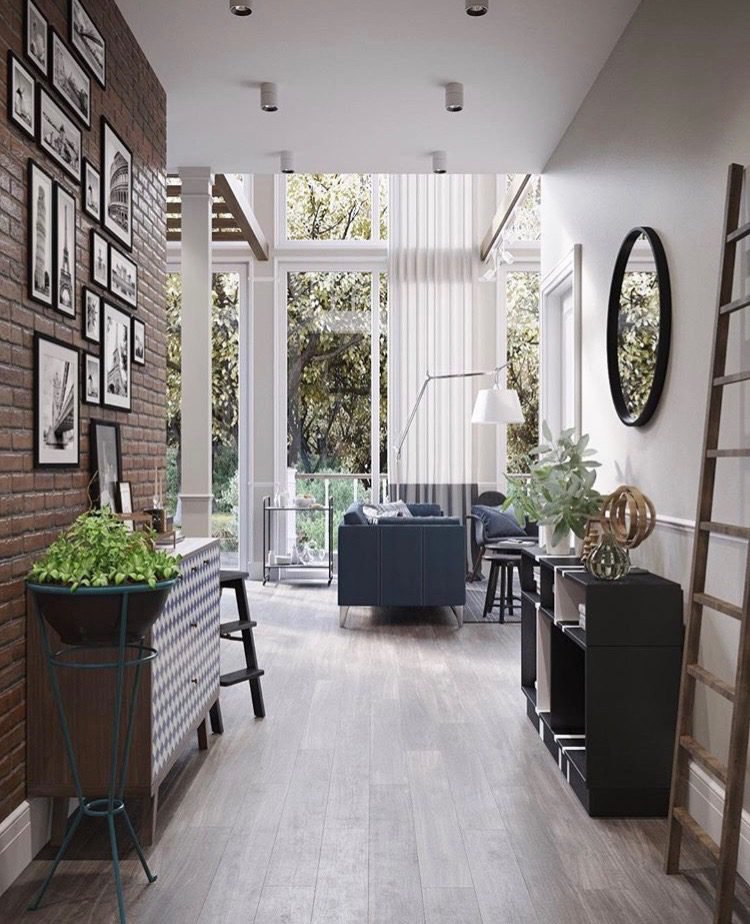
They can be placed in niches and shelves, together with vases, books and other decorative objects, in the center of tables or on sideboards, on the wall or even in slightly larger sculptures placed on the floor! In the latter case, you must be careful to avoid occupying a passage and hindering the mobility of those living in the house! Tall, thin pieces can be ideal for this type of space.
Conlusion
Sculpture, at its core, is the art of giving form and meaning to raw materials. While it has long held a prestigious place in museums and grand public spaces, its relevance extends far beyond monumental statues and historic masterpieces. Decorative sculpture brings this expressive art form into everyday life, allowing individuals to incorporate creativity, symbolism, and personality directly into their living spaces.
Contrary to the belief that sculpture must be large, expensive, or reserved for luxurious estates, decorative pieces come in countless forms, materials, and sizes. From small ceramic figures on a bookshelf to sleek metal abstractions on a console table, sculptures can adapt to any environment. They offer texture, dimension, and visual interest, often serving as striking focal points or subtle accents that enhance a room’s atmosphere.
The diversity of styles makes sculpture especially versatile. Classical forms evoke tradition and elegance, while modern and minimalist designs convey simplicity and contemporary sophistication. Realistic works capture emotion and detail, whereas abstract pieces invite interpretation and reflection. This range ensures that sculpture can complement virtually any interior design concept, whether bold and eclectic or calm and understated.
Beyond aesthetics, decorative sculptures allow homeowners to express identity. Each piece tells a story — reflecting personal taste, cultural influences, or emotional connections. Unlike purely functional objects, sculptures exist primarily to inspire and provoke thought. They encourage viewers to pause, observe, and engage with their surroundings in a deeper way.
latest post

Furnishing a villa in Mogoșoaia for a family with three children

Stoneware and Terracotta in Neutral Shades

The Loft – an unconventional space created by Beelive

How did you discover your inclination towards the field of interior design?

Complex offer for beneficiaries

Kitchen tile and tile combinations

Choose the perfect idea to furnish your bathroom
How to correctly mount a decorative plinth

How to choose a background in the Room function