
In recent years, the concepts of rational and sustainable consumption have emerged across various sectors of society, including the architecture and interior design industries. Contrary to overconsumption, this philosophy advocates for a more rational approach to resources, materials, and our relationship with the things around us.
For architects and designers, this trend offers an opportunity to rethink their working methods, appreciate the essence of things, and subtly integrate sustainability.
Underconsumption and Ludwig Mies van der Rohe’s “less is more” theory
The concept of luxury is undergoing a process of transformation in architecture and interior design. If it was previously associated with ostentation and accumulation, today it takes on a new meaning and is linked to choosing less, but better.
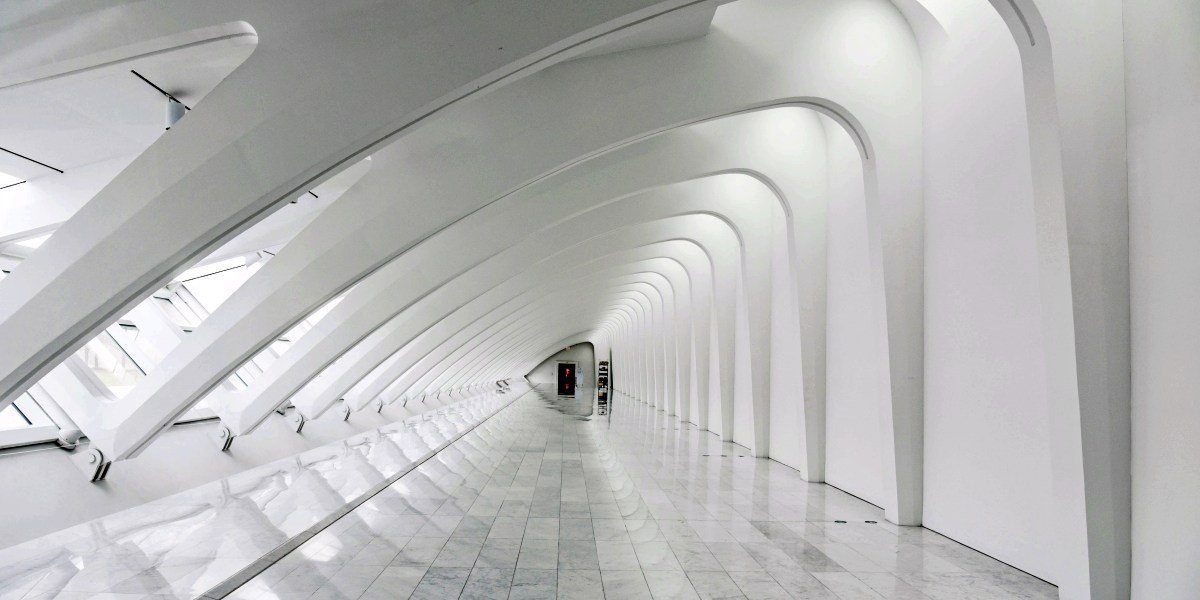
This is the origin of the concept of «low consumption,» referring to a more selective approach to consumption that prioritizes quality over quantity. The famous maxim «Less is more,» coined by German architect Ludwig Mies van der Rohe, enriches this discussion: it’s not just about minimalist aesthetics, but also about creating meaningful spaces where every element is carefully chosen and its impact fully considered.
This is reflected in architectural and design projects that emphasize essence and practicality. In other words, the new luxury lies in uncovering the stories behind every material, object, or pieces of furniture, rediscovering the value of what exists, and making the environment a reflection of thoughtful choices.
Discover the Pan Project, a movement that supports underconsumption
Project Pan, a concept originally born in the beauty universe, reflects a growing desire to reduce excessive consumptionfocusing on using the products fully before purchasing new ones. The proposal goes beyond conscious consumption: it Challenge the cycle of incessant shopping stimulated by the media and social networks, which often generate waste and accumulation of useless or meaningless objects.
When applied to the fields of architecture and interior design, the anti-consumption movement aligns sustainability and minimalism trendsencouraging the intelligent and conscious use of resources and avoiding excess materials and useless objects.
Inside the origin of underconsumption
The anti-consumption movement was born as a response to the rampant consumerism that has characterized the last decades. At the beginning of the 21st century, with the increase in environmental concerns, the emergence of the climate change debate and the growth of planned obsolescence, there has been a awakening to the need to rethink society’s relationship with consumption.
Thus, architects and designers began to see the opportunity to apply these principles, understanding the need to reduce the consumption of new materials, avoid waste and reuse what already exists.
5 ways architects and designers can incorporate underconsumption into their designs
For architects and designers, underconsumption represents an invitation to reimagine the project creation process, adopting approaches that favor the reuse of materials, sustainability and intelligent simplicity.
Do you want to know how to apply subconsumption in your projects? Here are some ways you can embrace underconsumption in your projects:
1) Reuse of materials
One of the most direct ways to incorporate underconsumption into architecture and interior design is through the reuse of materials. Demolition items, old furniture and time-worn pieces can be restored and creatively incorporated into new designs.
Reuse it not only reduces waste but also brings a layer of authenticity for the space: every imperfection tells its own story and makes the environment unique.
2) Sustainable and intelligent projects
Sustainability can also be embraced through projects that enhance the intelligent use of resources. This includes choosing environmentally friendly materials, taking advantage of natural lighting and using technologies that optimize energy consumption.
3) Creating spaces that highlight the essential
In architecture and design, the creation of functional, practical and aesthetically pleasing spaceswithout excesses, it is a point greatly enhanced by underconsumption. Every object must have a symbolism and every choice must be guided by its functionality and the positive impact it will have on the environment.
4) Enhance the history of an object
Another aspect is the ability to do so embrace natural wear and enhance history behind every object. Antique furniture, natural coverings that age over time and textures that show signs of use give more meaning to spaces. Instead of hiding imperfections, architects and designers who adopt this philosophy enhance these signs of time, recognizing in them the beauty of experience and authenticity.
5) Practice minimalism
Minimalism, in the context of the anti-consumption movement, goes beyond aesthetics. Become a poster a declaration that it is possible – and desirable! – live with less. In interior design, this means opting for quality over quantity, for objects that bring joy and functionality, rather than accumulating objects without purpose.
Underconsumption, when applied to architecture and interior design, is a called to enhance what really matters and apply sustainability in every project. It invites us to create environments that are not only beautiful, but that also tell stories, that respect the planet and that reflect a new way of living, a way that chooses less, but with much more meaning.
latest post

Furnishing a villa in Mogoșoaia for a family with three children
Stoneware and Terracotta in Neutral Shades
The Loft – an unconventional space created by Beelive
How did you discover your inclination towards the field of interior design?

Complex offer for beneficiaries
Kitchen tile and tile combinations

Choose the perfect idea to furnish your bathroom
How to correctly mount a decorative plinth
How to choose a background in the Room function